Turn complexity into organization. Give people back their agency.
I build systems that turn scattered complexity into something a person can actually use. I co-founded Fabric, sold it to MSCI, and still lead what it became, MSCI Wealth Manager, supporting advisors around the world who give advice to over 5 million clients. Now I am building across the domains where agency is won or lost: wealth, health, learning, and the AI that ties the method together.
The through-line: true agency emerges when the foundations hold, and complexity becomes organization through systems, measurement, and honest experiments. I build the infrastructure for that, across the domains where a life is actually built.
Latest writing A Failure of Imagination Read all writingThe Threads
Agency is not a single feature you install. It emerges when the foundations hold: your money, your body, your mind, and the tools between them. These are four threads of one instinct, pointed at the places where a life is actually built.

Wealth
I believe financial security is the bedrock of agency: without it, every other choice is made under duress.
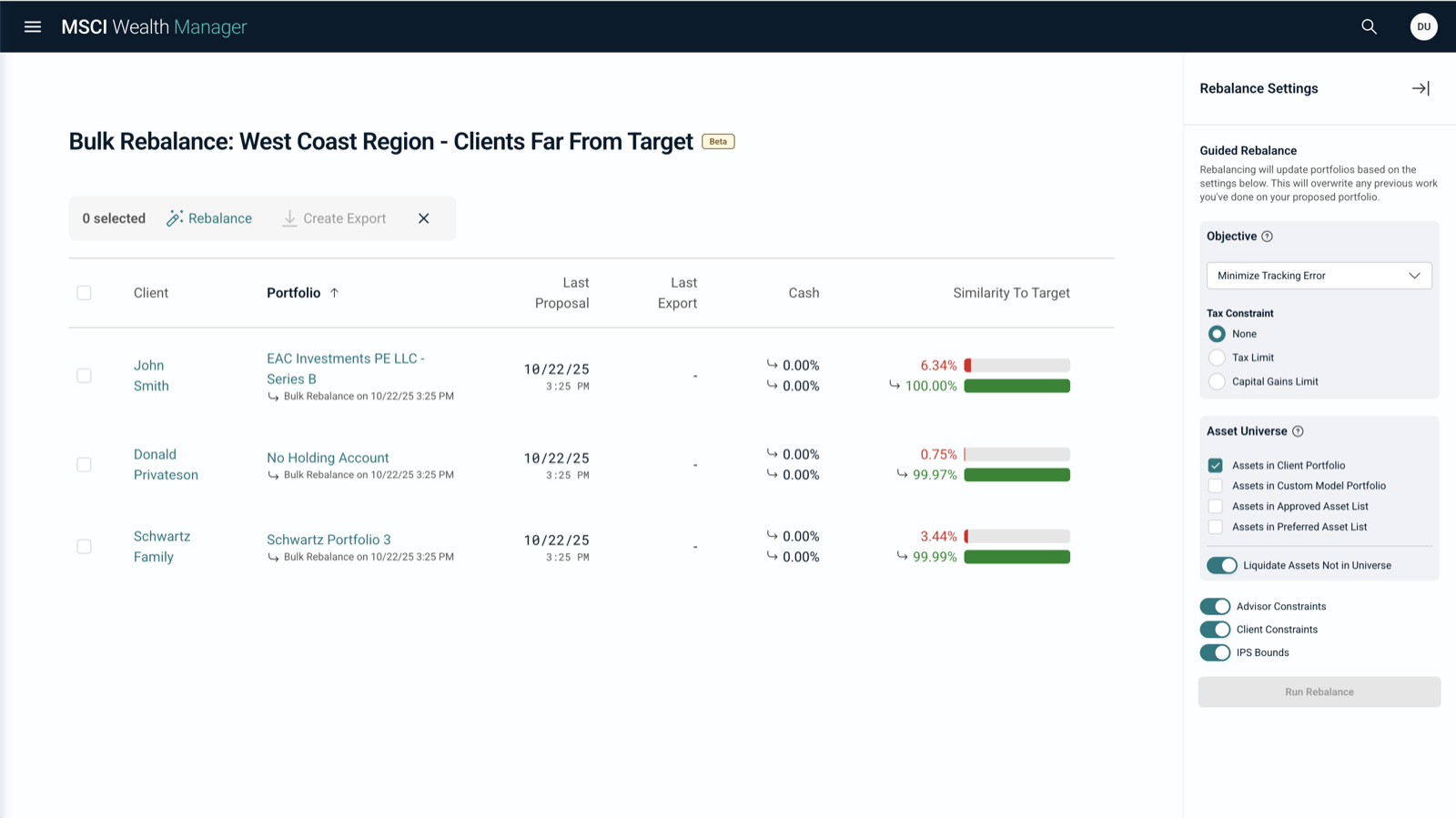
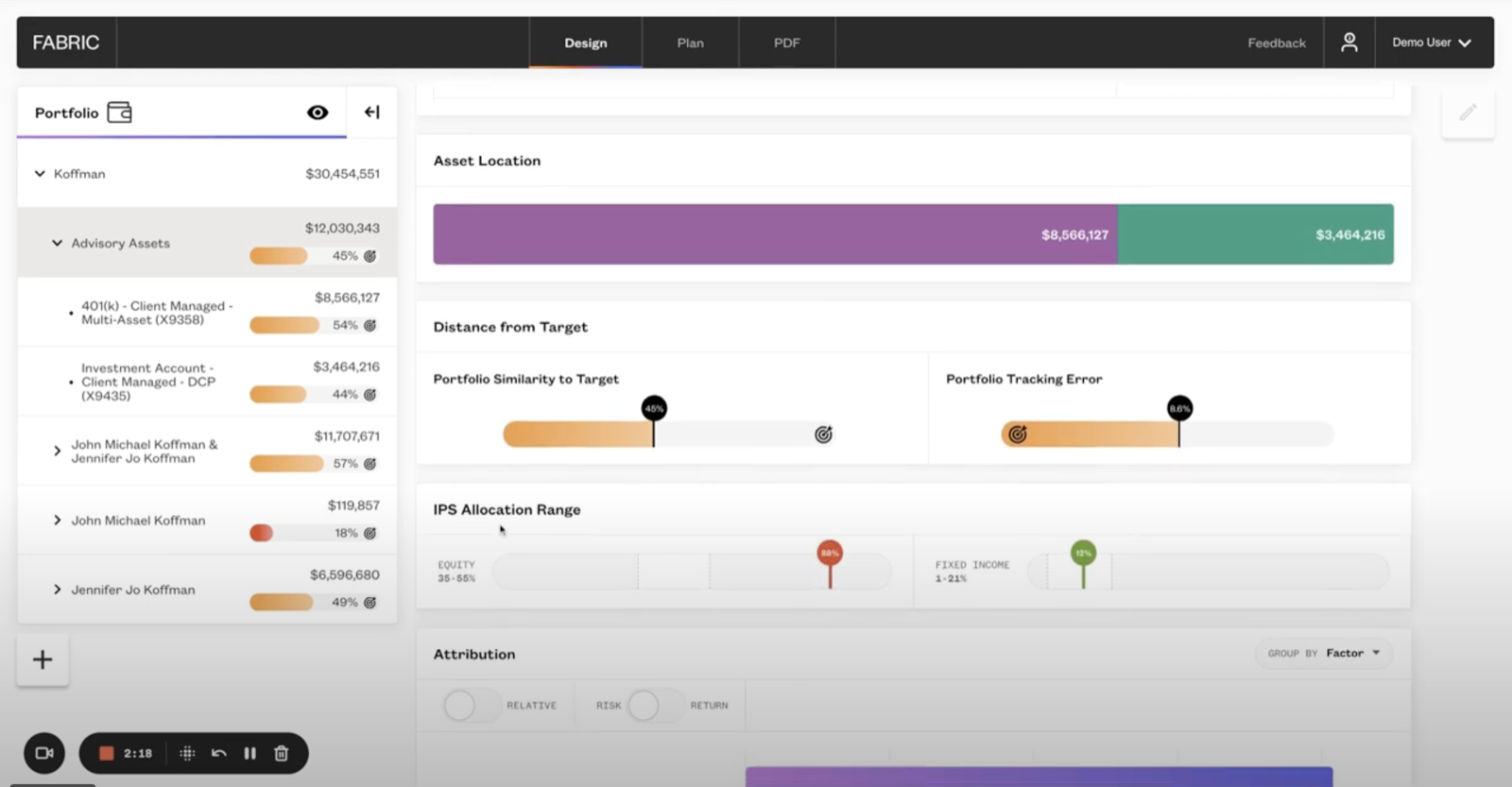
I co-founded Fabric and sold it to MSCI, still lead it as MSCI Wealth Manager, supporting advisors around the world who give advice to over 5 million clients, and build Accumulate, a personal-finance system I started after seeing how hard it is to spot your own money patterns until you have made the same mistake twice.
Health
I believe in health care, not sick care: your body is an asset to invest in, not a liability to manage.
I run my own protocols as living code, experiments that found which diets and inputs actually worked for my body instead of for the population average.

Your body did not read the study. Measure yourself, not the average.
Learning
I believe expert knowledge is worthless if you cannot act on it: the gap between knowing and doing is where most potential quietly dies.
I am building toward cognitive sovereignty, the tools and habits that close the knowing-doing gap and make high-agency thinking a practice rather than a talent.

Knowing more was never the bottleneck. Doing something with it is.
Agency and AI
I believe the method only becomes real when a tool can capture how you work, remember what matters, measure everything, and turn repeated effort into a playbook.
Through Forge I am building Foundry, a platform that does exactly that.
- Foundry
- supervises the work
- Anvil
- runs the workflows
- Temper
- measures them
- Kiln
- serves models privately
- Lore
- remembers
The product lives at goforgeit.com.

I co-founded Fabric to make wealth management feel like it was built for the person, not the institution. MSCI acquired it, and I stayed to scale what it became: MSCI Wealth Manager now supports financial advisors around the world who give advice to more than 5 million clients, and I still lead that work today. The instinct never changed, only its target. Now I point the same method at health, learning, and the AI that ties them together, because the hard part was never any one domain, it was making complexity organized enough that a person could finally act.
Notes from the lab
I write to think in public. Notes from the lab, on measurement, agency, and what building systems for people teaches you about everything else.
What have we stopped trying to do well—and what would it take to try again? We may be using AI to make one of the most impersonal features of modern life almost infinitely scalable: the requirement that people simplify themselves until a system can understand them.
› July 2026 The day the model disappeared: why I architected Kiln so no vendor's decision could stop my buildA provider made a frontier model unavailable to me overnight, no warning. It cost me twenty minutes, not a rebuild. Here's the architectural bet that made the difference.
› June 2026 The Private ApprenticeBlock just shipped the fastest-adopted tool in its history: a way for anyone to build their own software, where the platform owns what makes it safe. It's the same bet I've spent the last year building Foundry on, with two deliberate differences.
› Read everythingWhat I actually believe
Everyone's optimal path is different. Population statistics describe a crowd, not you; expert advice is a starting point, not a prescription.
You cannot control what you cannot measure. Agency requires visibility.
Expert knowledge is useless if you cannot act on it. Good tools bridge the gap between knowing and doing, they do not widen it.
Life is a series of experiments, so you deserve a lab notebook. Finance, health, relationships, work: you are always testing a hypothesis.
The best tools make complexity disappear. Not more manageable, gone.
Willpower is real, and collective willpower is unstoppable. Systems exist to aim it and amplify it, never to replace it.
Measurement without judgment enables honest experimentation. Shame makes people stop measuring; the goal is learning, not perfection.
The goal is not optimization, it is alignment. Decide what you value, then build systems that agree with you.
True agency comes from understanding your own patterns, not obeying expert rules. Memory is power.
Data without action is just noise. Insight has to move you to do something.
We try more to profit from always remembering the obvious than from grasping the esoteric.Charlie Munger. The obvious is the hard part, and without systems we forget it.